

Family law disputes involving child custody are among the most emotionally charged legal matters in Florida. According to recent legal industry data, over 60% of family law cases in Hillsborough County involve some form of custody or time-sharing dispute. Navigating this complex landscape requires more than just legal knowledge; it demands a strategic partner who understands the local judicial temperament. This guide outlines the precise steps to hire a qualified child custody attorney in Tampa, ensuring your family's future is protected by experienced counsel.
Understanding Your Legal Rights in Florida
Before engaging legal counsel, it is crucial to understand the foundational legal framework governing custody in Florida. Child custody is legally referred to as "time-sharing" and "decision-making responsibility" under Florida Statutes. The state operates on a presumption that frequent contact with both parents is in the best interest of the child. However, this presumption can be rebutted if evidence suggests that such arrangement would harm the child's physical, mental, or emotional well-being.
Florida courts prioritize the best interests of the child standard when making custody determinations. This standard involves evaluating factors such as the parent-child relationship, the moral fitness of each parent, and the child's school and community record. Understanding these criteria helps you identify what an effective attorney must address in your case. For a deeper dive into these legal definitions, you can review the child custody services provided by local experts.
Defining Your Specific Legal Needs
Not all family law attorneys specialize in the same areas. Some focus heavily on high-net-worth asset division, while others specialize in complex custody disputes involving domestic violence or substance abuse allegations. You must clearly define the scope of your legal needs before beginning your search.
Consider whether your case involves uncontested custody, where both parents agree on terms, or contested custody, which requires litigation. Contested cases demand an attorney with strong courtroom advocacy skills and experience in depositions. If your situation involves domestic violence, you need a lawyer who is adept at navigating protective orders and safety planning alongside custody issues. Clarifying these needs early ensures you do not waste time with attorneys who lack the specific expertise your case requires.
Researching and Vetting Local Attorneys
Tampa has a robust legal community, but quality varies significantly. Start by compiling a list of potential attorneys through bar association directories, peer reviews, and personal referrals. Look for attorneys who are members of the Florida Bar and have specific certifications in family law.
When vetting candidates, examine their track record. Do they have experience with the specific judges presiding over your case? Do they offer child support calculation expertise alongside custody? A comprehensive legal strategy often requires addressing both issues simultaneously. Check their online presence for client testimonials and case studies. Firms that provide educational content, such as guides on alimony or property division, often demonstrate a commitment to client education and transparency.
The Consultation Process: What to Expect
Most reputable attorneys offer an initial consultation. This meeting is your opportunity to interview the attorney, not just be interviewed. Prepare a list of questions regarding their approach to custody disputes. Ask about their estimated timeline for resolution and their preferred method of communication.
During the consultation, observe how the attorney listens. Do they interrupt you? Do they offer realistic expectations, or do they promise guaranteed outcomes? Ethical attorneys will never guarantee a specific result because every case is unique. Instead, they should outline potential strategies and risks. For those seeking a trusted legal partner, scheduling a consultation is the critical first step toward resolution.
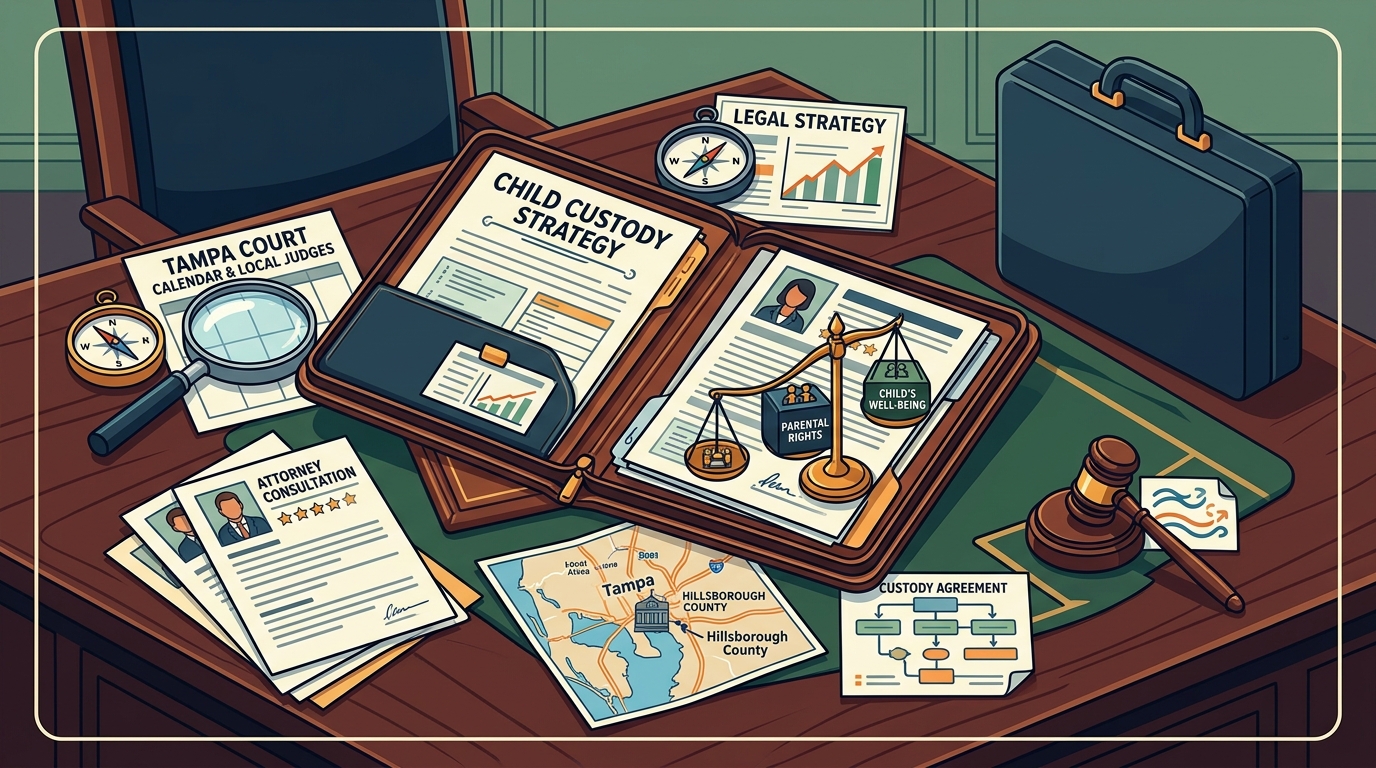
Evaluating Attorney-Client Fit
Legal representation is a partnership. You must feel comfortable discussing intimate details of your family life with your attorney. Evaluate their communication style. Are they responsive? Do they explain legal jargon in plain language? Trust your instincts. If you feel dismissed or pressured during the initial meeting, it is a sign to look elsewhere.
Consider the firm's resources. Does the attorney have support staff to handle document preparation? Complex custody cases often require extensive paperwork, including financial affidavits and parenting plans. A well-resourced firm can manage this burden efficiently. Additionally, inquire about their fee structure. Do they charge a flat fee for uncontested cases or an hourly rate for litigation? Understanding the financial commitment upfront prevents surprises later.
Formalizing the Attorney-Client Relationship
Once you have selected an attorney, you will formalize the relationship through a retainer agreement. This contract outlines the scope of representation, fees, and responsibilities of both parties. Read this document carefully. Ensure it clearly states how billing will be handled and what constitutes additional charges.
Upon signing, you will likely be asked to provide documentation such as birth certificates, marriage licenses, and financial records. Cooperate fully and promptly with these requests. The strength of your legal case often depends on the quality and timeliness of the evidence presented. For professional guidance tailored to your specific circumstances, visit the about us page to learn more about the team dedicated to your success.
Comparison of Service Approaches
| Service Type | Best For | Key Considerations |
|---|---|---|
| Mediation | Co-parents with low conflict | Cost-effective, preserves relationship |
| Litigation | High-conflict or safety concerns | Formal court orders, higher cost |
| Collaborative Law | Mutual respect and transparency | Private, interest-based outcomes |
Key Takeaways
- Florida law presumes frequent contact with both parents is in the child's best interest.
- Child custody is legally defined as "time-sharing" and "decision-making responsibility" in Florida.
- Always verify an attorney's specialization in family law and local court experience.
- Prepare for the consultation by documenting your specific concerns and goals.
- Evaluate communication styles and fee structures before signing a retainer.
- Consider mediation for low-conflict cases to reduce stress and cost.
- Timely submission of evidence is critical for a strong legal position.
Frequently Asked Questions
How much does a child custody attorney cost in Tampa?
Costs vary based on case complexity. Uncontested cases may have flat fees, while contested litigation is typically billed hourly. It is essential to discuss fee structures during your initial consultation.
Can I represent myself in a child custody case?
While you have the right to self-representation, complex custody disputes often involve intricate legal procedures. Professional representation significantly increases the likelihood of a favorable outcome.
What is the difference between legal custody and physical custody?
Legal custody refers to the right to make major decisions about the child's welfare, such as education and healthcare. Physical custody refers to where the child lives and the time-sharing schedule.
How long does a child custody case take in Florida?
Timelines vary widely. Uncontested cases can be resolved in months, while contested cases may take a year or longer depending on court schedules and the complexity of the dispute.
What factors do Florida courts consider for custody?
Courts evaluate the best interests of the child, including the parent-child bond, moral fitness, and the child's adjustment to home and school environments.
Can I modify an existing custody order?
Yes, custody orders can be modified if there is a substantial change in circumstances that affects the child's best interests. Legal guidance is crucial for filing these motions.
What is the role of a guardian ad litem?
A guardian ad litem is a court-appointed attorney who represents the best interests of the child. They investigate the family situation and make recommendations to the court.
Secure Your Family's Future Today
Navigating child custody disputes requires strategic legal expertise and compassionate support. The Law Legal Group, P.A. offers dedicated representation for families in Tampa and throughout Florida. Our team understands the emotional weight of these cases and is committed to achieving the best possible outcome for your child. Contact us today to schedule your consultation and take the first step toward resolving your custody matter.