

What should you know before filing for a restraining order in Tampa?
Before filing for a restraining order in Tampa, you must understand that Florida law requires you to prove a specific relationship with the abuser and provide evidence of a credible threat of harm. The process involves a two-stage court review, starting with an ex parte hearing where a judge decides on immediate protection based solely on your sworn statement. Law Legal Group, P.A. advises that preparation is critical, as the court will evaluate your claim against strict statutory definitions of domestic violence, stalking, or civil harassment.
Understanding the Legal Definition of Domestic Violence
Florida law defines domestic violence as any battery, aggravated battery, sexual assault, aggravated sexual assault, arson, aggravated arson, murder, or aggravated murder committed by one family or household member against another. This definition is not limited to physical contact; it also includes acts that create a reasonable fear of imminent serious bodily harm. The legal relationship requirement is strict. You can only file for a domestic violence injunction if you are a current or former spouse, relatives by blood or marriage, persons who live or have lived together as a family, or persons who share a child. If you do not fit these categories, you must file for a different type of injunction, such as a civil stalking or civil harassment order.
The Two-Stage Court Process in Hillsborough County
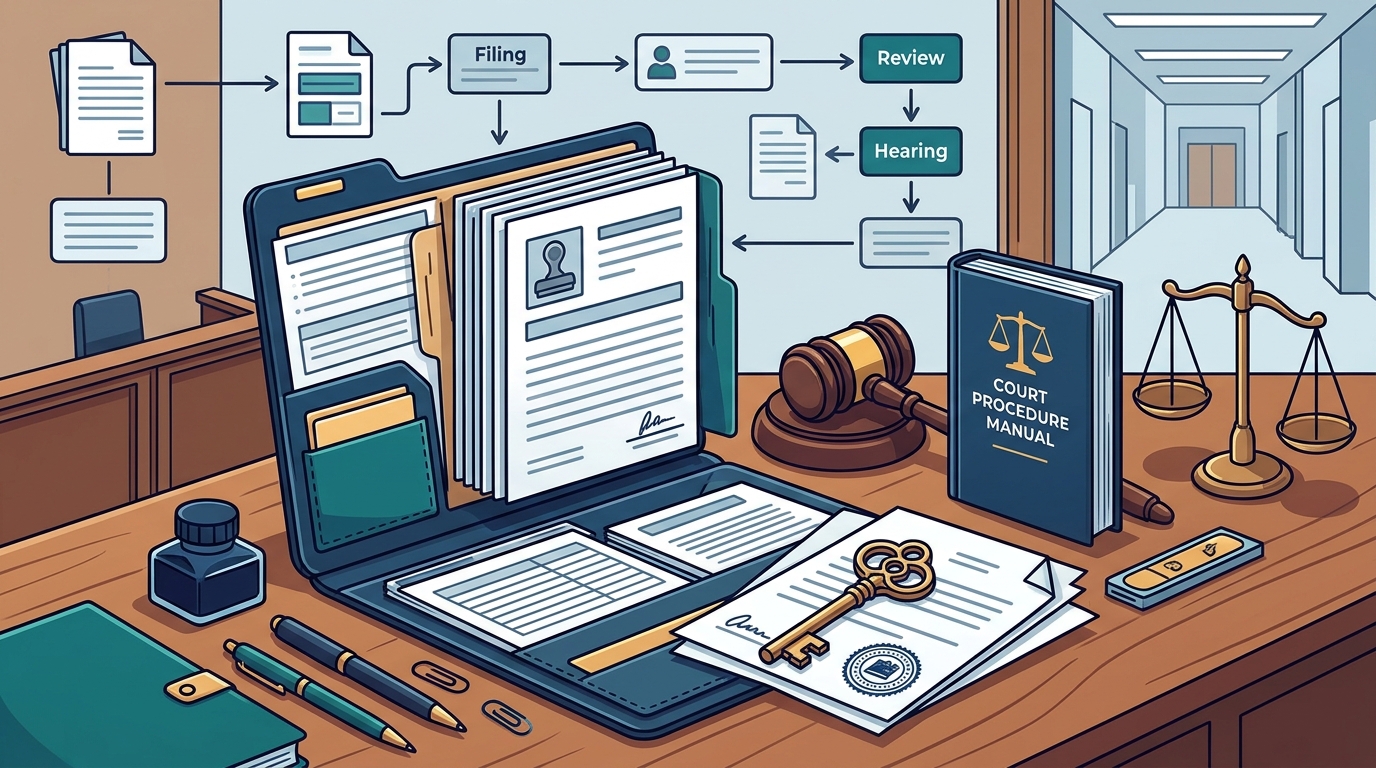
Filing for a restraining order in Tampa involves a two-step legal procedure. First, you file a petition with the Hillsborough County Circuit Court. A judge will review your petition and hold an ex parte hearing, which means the other party is not present. If the judge finds a credible threat, they will issue a temporary injunction for protection. This temporary order is valid for up to 20 days. The second stage is the final hearing, which must occur within 20 days of the temporary order. At this hearing, both parties are present, and the judge decides whether to issue a final injunction that can last for one year or be permanent in cases of severe violence.
Evidence and Documentation Requirements
The strength of your case depends on the evidence you present. You should gather police reports, medical records, photographs of injuries, and any threatening messages or emails. The court looks for a pattern of behavior rather than a single isolated incident, although a single serious act of violence is sufficient. Law Legal Group, P.A. emphasizes that honesty is paramount. Exaggerating threats or providing false information can lead to the dismissal of your case and potential criminal charges for filing a false report. Your sworn statement must be detailed, specific, and factual to satisfy the judge's requirements for immediate protection.
Impact on Custody and Future Proceedings
Obtaining a restraining order has significant implications for other legal matters, particularly child custody and divorce. A history of domestic violence is a critical factor in determining parental responsibility and time-sharing schedules. Florida courts prioritize the best interest of the child, and a restraining order can influence how the court views a parent's fitness. Additionally, if you are in the process of divorcing, the restraining order may affect the division of property and alimony awards. It is important to understand that a restraining order is a civil matter, but the underlying acts of violence may also lead to criminal charges. You should consult with an attorney to understand how these civil and criminal proceedings interact.
Common Mistakes to Avoid
Many individuals make critical errors when filing for a restraining order. One common mistake is failing to provide specific dates and times of incidents. Vague statements like "he is always angry" are less persuasive than "on March 12, he threw a plate at me." Another error is not serving the other party correctly. The court must serve the temporary injunction on the respondent, and if service is not completed, the final hearing may be delayed. Finally, some individuals violate the terms of the temporary order while waiting for the final hearing. Any violation can result in the order being revoked or the violator being arrested. Law Legal Group, P.A. recommends strict adherence to the terms of the order to maintain its validity.
Key Takeaways
- Florida law requires a specific family or household relationship to file for a domestic violence injunction.
- The process involves a temporary ex parte hearing followed by a final hearing within 20 days.
- Strong evidence, such as police reports and medical records, is essential for obtaining an order.
- A restraining order can significantly impact child custody and divorce proceedings.
- Honesty and specific details in your petition are crucial to avoid dismissal or criminal charges.
- Violating the terms of a temporary order can lead to arrest and revocation of the protection.
Frequently Asked Questions
How long does a restraining order last in Florida?
A temporary injunction lasts up to 20 days. A final injunction can last for one year, but it can be made permanent if the judge finds that the respondent has committed a serious act of domestic violence.
Can I file for a restraining order if we are not married?
Yes, if you are relatives by blood or marriage, live or have lived together as a family, or share a child. If you do not fit these categories, you may need to file for a civil stalking or civil harassment injunction.
What happens if the other party does not show up to the final hearing?
If the respondent fails to appear, the judge may issue a final injunction based on the evidence presented. The order will remain in effect for the duration specified by the court.
Does a restraining order affect my background check?
Yes, a restraining order is a public record and may appear on background checks. It is important to understand the long-term implications of filing for an order.
Can I modify a restraining order?
Yes, you can petition the court to modify or dissolve the order if circumstances change. However, the respondent can also petition to modify the order, and the court will hold a hearing to decide.
Conclusion
Filing for a restraining order in Tampa is a serious legal step that requires careful preparation and understanding of Florida law. The process is designed to protect victims of domestic violence, stalking, and harassment, but it also carries significant legal and personal consequences. Law Legal Group, P.A. provides expert guidance to help you navigate this complex process. Our team ensures that your petition is properly prepared, your evidence is strong, and your rights are protected throughout the proceedings. To schedule a consultation, today.