

Being charged with a DUI is a serious legal matter that can impact your driving privileges, employment, and personal life. A skilled DUI defense attorney works to challenge the evidence, identify procedural errors, and protect your rights throughout the legal process. At Law Legal Group, P.A., we understand the complexities of Florida criminal law and provide dedicated representation for those facing these charges.
1. Reviewing the Initial Arrest and Traffic Stop
Attorneys first verify the legality of the traffic stop and arrest. The foundation of a DUI case often rests on whether the officer had probable cause to initiate the stop. If the initial traffic violation was minor or the stop was conducted without proper justification, the entire case may be vulnerable to dismissal. This step involves a detailed analysis of the officer's report and any available dashcam footage.
2. Analyzing Field Sobriety Tests (FSTs)
Defense counsel scrutinizes the administration and results of field sobriety tests. Field sobriety tests are subjective and can be influenced by environmental factors, physical conditions, or improper instruction. An attorney will review whether the tests were administered according to standardized protocols and whether the officer's observations were accurate. Inconsistencies in the officer's notes can significantly weaken the prosecution's case.
3. Challenging Breath and Blood Test Evidence
Legal experts examine the chain of custody and calibration of chemical tests. Breath and blood tests are often the primary evidence used to prove impairment. Attorneys look for errors in the machine's calibration, maintenance records, or the handling of blood samples. If the chain of custody was broken or the equipment was not properly certified, the results may be excluded from trial.
4. Investigating Officer Conduct and Training
Counsel reviews the officer's qualifications and adherence to legal standards. The credibility of the arresting officer is a critical factor in DUI cases. Attorneys may subpoena the officer's training records, disciplinary history, and past case outcomes. If the officer has a history of misconduct or lacks proper training in DUI enforcement, their testimony may be challenged in court.
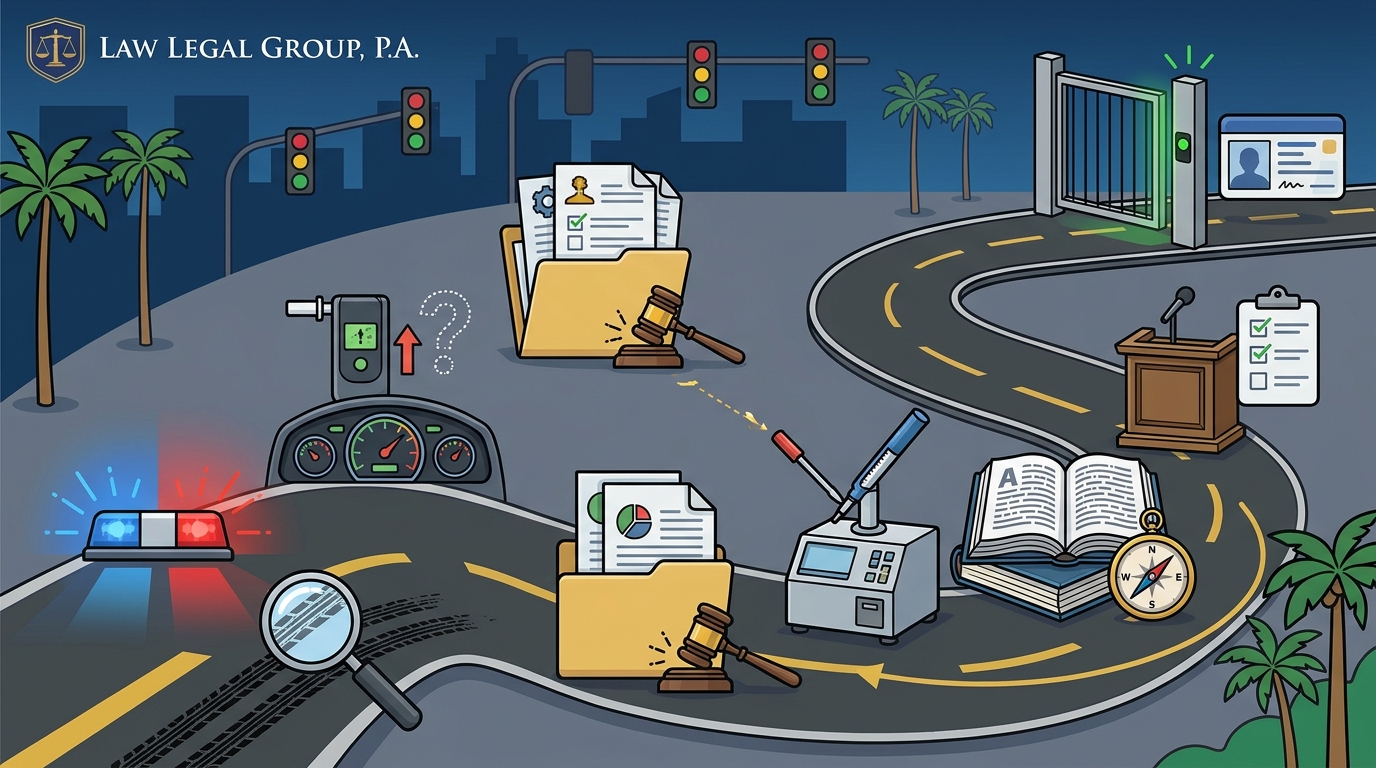
5. Negotiating Plea Deals and Reductions
Attorneys work to negotiate favorable plea agreements when appropriate. In some cases, negotiating a plea deal can result in reduced charges, such as a wet reckless offense, which carries fewer penalties than a DUI conviction. This step requires a strategic assessment of the evidence and the potential risks of going to trial. A skilled negotiator can often secure a better outcome for the client than a full trial.
6. Preparing for Trial and Cross-Examination
Defense teams prepare for trial by building a robust cross-examination strategy. If the case proceeds to trial, the attorney will prepare the client for testimony and develop a defense narrative. This includes cross-examining the arresting officer and any expert witnesses called by the prosecution. The goal is to create reasonable doubt in the minds of the judge or jury regarding the client's impairment.
7. Addressing Administrative and Collateral Consequences
Attorneys manage the broader impacts of a DUI charge, including license suspension. A DUI charge triggers administrative actions by the Department of Motor Vehicles, such as license suspension. Defense attorneys work to restore driving privileges through administrative hearings and ensure that the client understands the long-term consequences of a conviction. This holistic approach helps clients navigate both criminal and administrative legal systems.
Choosing the Right Defense Strategy
Selecting the appropriate defense strategy depends on the specific facts of your case. Factors such as the strength of the evidence, the officer's conduct, and your personal circumstances all play a role in determining the best course of action. A thorough initial consultation with a legal professional is essential to evaluate these factors and develop a tailored defense plan.
Frequently Asked Questions
What is the first thing a DUI attorney does after an arrest?
The first step is typically a detailed review of the police report and arrest records to identify any procedural errors or inconsistencies in the officer's account of the events.
Can a DUI charge be dismissed if the traffic stop was illegal?
Yes, if the attorney can prove that the officer lacked probable cause to initiate the traffic stop, the evidence obtained during the stop may be suppressed, potentially leading to a dismissal of the charges.
How do attorneys challenge breath test results?
Attorneys challenge breath test results by examining the machine's calibration records, maintenance history, and the operator's qualifications. They may also question the scientific validity of the test in certain conditions.
What is a wet reckless plea?
A wet reckless plea is a lesser charge that can be negotiated in lieu of a DUI conviction. It typically carries fewer penalties, such as lower fines and no mandatory jail time, but still results in a criminal record.
Does a DUI conviction affect my driver's license?
Yes, a DUI conviction usually results in a suspension of your driver's license by the Department of Motor Vehicles. Attorneys can help clients navigate the administrative process to restore their driving privileges.
How long does a DUI case take to resolve?
The timeline for a DUI case varies depending on the complexity of the evidence and the court's schedule. Some cases are resolved through plea deals in a few months, while others may take longer if they proceed to trial.
Next Steps for Those Facing DUI Charges
If you or a loved one is facing DUI charges in Florida, it is crucial to seek legal representation immediately. The Law Legal Group, P.A. offers expert guidance and personalized attention to ensure your rights are protected. To discuss your case and explore your defense options, book a consultation with our team today.